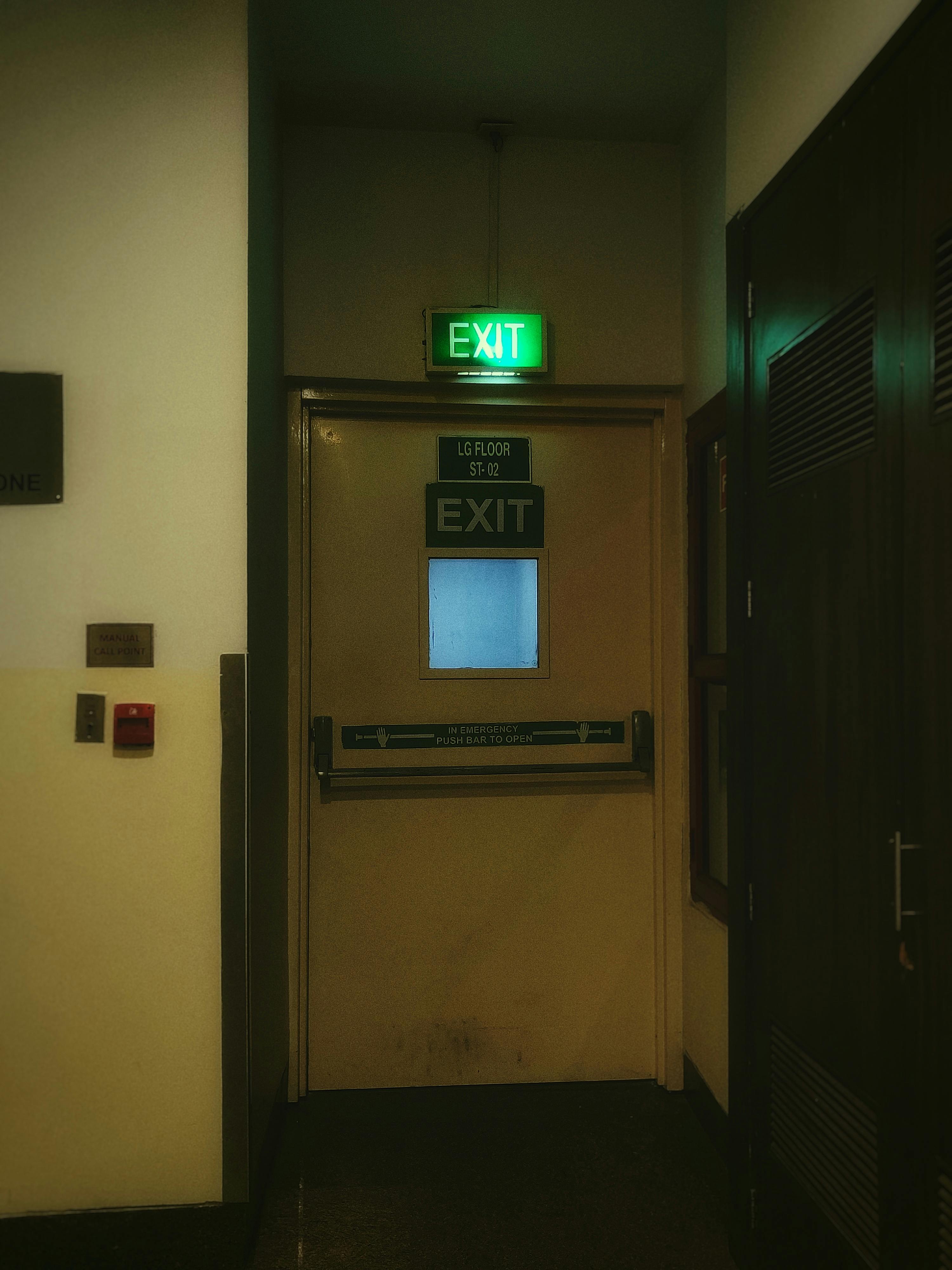
Fire-rated glazing is no longer a niche specification — it is a standard requirement on most commercial, mixed-use and higher-risk residential buildings across the UK. The Building Safety Act 2022 and the ongoing programme of regulatory reform following the Grenfell Tower fire have significantly tightened compliance requirements. This guide gives architects and project managers a practical overview of the key technical and specification issues.
Understanding Fire Rating Classifications
Fire-rated glazing systems are classified by their performance under fire conditions, measured in minutes. The classification system uses three letters: E (integrity — prevents passage of flames and hot gases), I (insulation — limits temperature rise on the unexposed face), and W (radiation — limits heat radiation). Common classifications you will see on project specifications:
- E30 / E60 — integrity only for 30 or 60 minutes; suitable for fire-fighting lobbies and some escape routes where insulation is not required
- EW30 — integrity plus limited radiation control; used where the fire-rated glazing faces an evacuation route
- EI30 / EI45 / EI60 — full integrity and insulation; required for compartment walls, protected stairwells, and most fire-resisting partitions in commercial buildings
- EI120 — highest common rating; required for fire-fighting shafts and high-risk compartmentation in multi-storey buildings
Relevant Test Standards
- BS EN 1364-1 / 1364-2 — fire resistance tests for non-loadbearing elements: walls and floors
- BS EN 1634-1 — fire resistance and smoke control tests for door assemblies
- BS EN 16034 — performance standard for pedestrian doorsets with fire resistance and/or smoke control
- BS EN 13830 — curtain walling: product standard including fire performance clauses
Always request test evidence from the manufacturer, not just system approval certificates. The test evidence should confirm the exact configuration (frame dimensions, glass type, infill panels, intumescent seals) matches the proposed installation. Deviations from the tested configuration can invalidate the classification.
Post-Grenfell Compliance: Building Safety Act 2022
The Building Safety Act 2022 introduced a new regulatory regime for higher-risk buildings (HRBs) — those over 18m or 7 storeys with residential accommodation. For HRBs, all fire-safety-critical products must be third-party certified by a UKAS-accredited body. Approved Document B (Fire Safety) was also updated in 2022, strengthening requirements for cavity barriers, fire-stopping at junctions, and the review of external wall systems.
For buildings between 11m and 18m, Regulation 7 still applies and external wall system assessments (EWS1) may be required if the building contains combustible materials. Fire-rated glazing with non-combustible aluminium frames and intumescent seals is generally well-placed in this context, but full system documentation is essential.
Specification Checklist
- Define the required rating (EI30, EI60 etc.) based on the fire engineer's strategy — do not over-specify as this increases cost without safety benefit
- Confirm whether the glazing is loadbearing or non-loadbearing — this affects the test standard
- Specify third-party certification for HRBs; request UKAS accreditation details
- Coordinate fire-stopping at junctions with the structural engineer and main contractor at RIBA Stage 4
- Require installer to be certified by an appropriate body (e.g., BM TRADA Q-Mark, Secured by Design)
BDF Architectural supplies CE-marked, third-party certified fire-rated windows, doors, curtain walling and screens. Contact our technical team for system documentation and specification support.
Get a Free Quote